
.png)
A Beginner's Guide to Kayaking & Canoeing
With summer in full swing, there’s no better way to enjoy warmer temperatures and longer evenings than by getting out on the water. Canoeing and kayaking offer a magical combination of adventure, exercise and tranquility. Whether you're gliding across a lake, exploring winding rivers, or paddling along a dramatic coastline, these watersports provide a fantastic way to experience nature from a new perspective.
If you're new to paddle sports, the thought of getting started can feel a little intimidating. The good news is that canoeing and kayaking are accessible activities suitable for almost all ages and fitness levels. With the right equipment, a few basic skills, and safety know-how, you'll be enjoying the water in no time!
If you're new to paddle sports, the thought of getting started can feel a little intimidating. The good news is that canoeing and kayaking are accessible activities suitable for almost all ages and fitness levels. With the right equipment, a few basic skills, and safety know-how, you'll be enjoying the water in no time!
What's the Difference Between Kayaking & Canoeing?
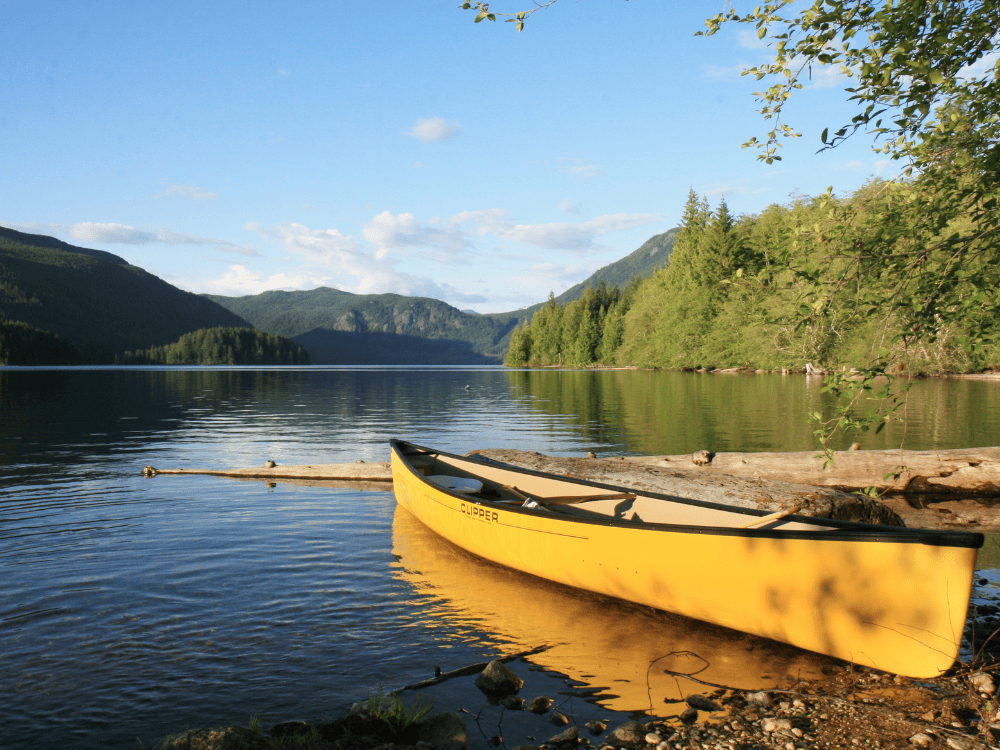
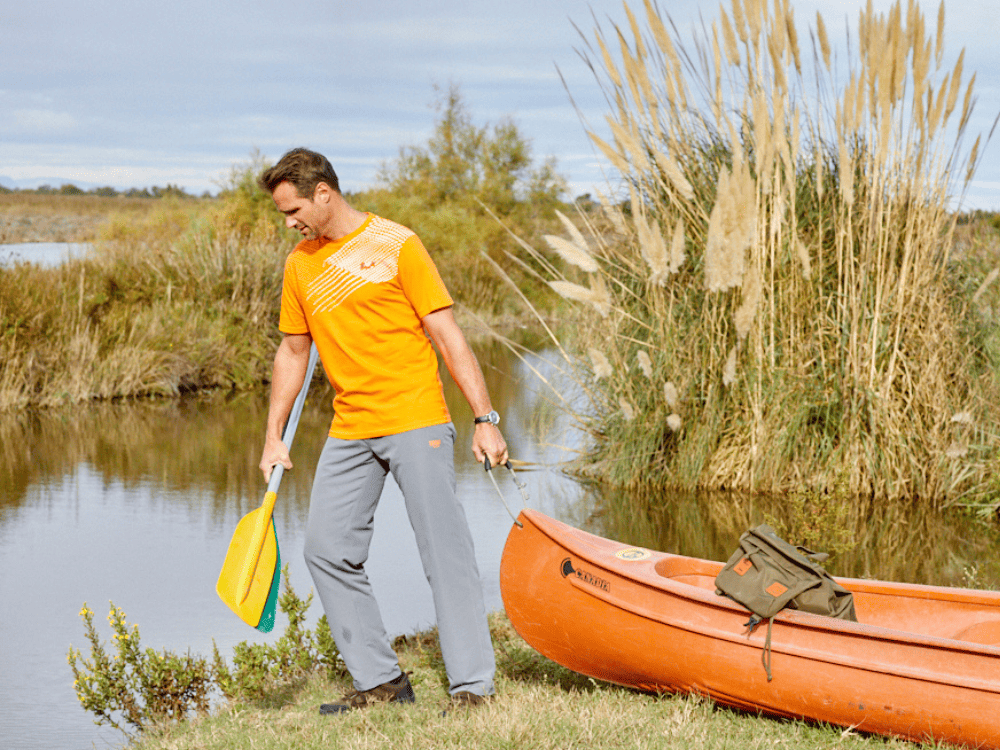
Although the terms are often used interchangeably, canoeing and kayaking are actually quite different activities. A canoe is typically an open-top boat in which paddlers sit on a raised seat or kneel. Canoes are propelled using a single-bladed paddle and are often larger, making them ideal for family outings, camping trips, and carrying extra gear.
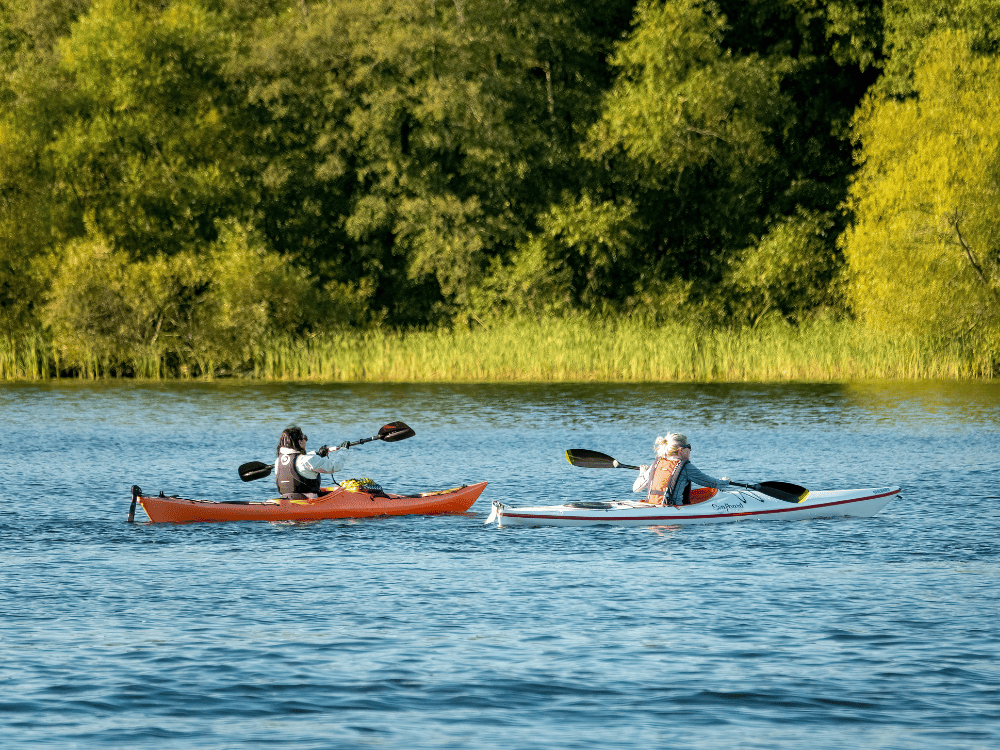
A kayak, on the other hand, is usually enclosed, with the paddler sitting lower inside the boat. Kayakers use a double-bladed paddle and can generally achieve greater speed and maneuverability. Kayaks are popular for exploring smaller rivers and even sea adventures.
Both options offer unique experiences, so the best choice depends on the type of paddling you want to do.
A kayak, on the other hand, is usually enclosed, with the paddler sitting lower inside the boat. Kayakers use a double-bladed paddle and can generally achieve greater speed and maneuverability. Kayaks are popular for exploring smaller rivers and even sea adventures.
Both options offer unique experiences, so the best choice depends on the type of paddling you want to do.
Why Try Canoeing or Kayaking?
With so many benefits, it’s no surprise that these activities have surged in popularity in recent years! Firstly, they provide an excellent full-body workout. Paddling engages your arms, shoulders, back, core, and even your legs while remaining relatively low-impact on your joints.
Second, spending time on the water can be incredibly relaxing. Many paddlers describe canoeing and kayaking as a perfect opportunity for calm reflection, allowing them to disconnect from daily stresses and focus on the beauty of nature.
Finally, these activities offer opportunities for exploration. Rivers, lakes, canals, and coastlines often reveal hidden scenery that simply can't be appreciated – or often accessed - from land.
Second, spending time on the water can be incredibly relaxing. Many paddlers describe canoeing and kayaking as a perfect opportunity for calm reflection, allowing them to disconnect from daily stresses and focus on the beauty of nature.
Finally, these activities offer opportunities for exploration. Rivers, lakes, canals, and coastlines often reveal hidden scenery that simply can't be appreciated – or often accessed - from land.
Essential Equipment for Beginners
Before heading out on the water, it's important to have the right gear. The most important item is a properly fitted buoyancy aid or personal flotation device (PFD). Regardless of your swimming ability, wearing one should always be non-negotiable.
You'll also need:
A suitable canoe or kayak A paddle of the correct size Comfortable, quick-drying clothing Waterproof footwear A dry bag for valuables and spare clothing Sun protection, including sunscreen and sunglasses
Sounds like a big investment? It doesn’t need to be! Many beginners choose to hire equipment initially rather than purchasing their own. This allows you to see if the activities are a good fit for you before making any big purchases.
You'll also need:
A suitable canoe or kayak A paddle of the correct size Comfortable, quick-drying clothing Waterproof footwear A dry bag for valuables and spare clothing Sun protection, including sunscreen and sunglasses
Sounds like a big investment? It doesn’t need to be! Many beginners choose to hire equipment initially rather than purchasing their own. This allows you to see if the activities are a good fit for you before making any big purchases.
Basic Paddling Tips
Learning a few fundamental techniques will make your first outing much more enjoyable. Start by practicing good posture. Sit upright with relaxed shoulders and engage your core muscles while paddling. This will improve efficiency and reduce fatigue and back ache.
For kayakers, the forward stroke should be smooth and controlled rather than relying solely on arm strength. Rotation through the torso generates more power and helps prevent strain. Canoeists should focus on maintaining a consistent rhythm and learning simple steering strokes to keep the boat moving in a straight line.
Whether you’re canoeing or kayaking It's also wise to begin on calm, sheltered water. Lakes, canals, and gentle rivers provide ideal environments for building confidence before tackling more challenging conditions.
For kayakers, the forward stroke should be smooth and controlled rather than relying solely on arm strength. Rotation through the torso generates more power and helps prevent strain. Canoeists should focus on maintaining a consistent rhythm and learning simple steering strokes to keep the boat moving in a straight line.
Whether you’re canoeing or kayaking It's also wise to begin on calm, sheltered water. Lakes, canals, and gentle rivers provide ideal environments for building confidence before tackling more challenging conditions.
How to Stay Safe on the Water
When paddling, safety should always be your first priority. Before setting out, check the weather forecast and water conditions. Strong winds, fast currents, and changing tides can significantly increase the difficulty of a trip.
Always tell someone where you're going and when you expect to return. If you're paddling on unfamiliar water, research the route in advance and look out for potential hazards such as weirs, low bridges, or restricted areas.
It’s recommended that beginners take an introductory course to learn the ropes before hitting the water alone. Professional instructors can teach essential skills, rescue techniques, and water safety practices that will help you paddle with confidence.
Always tell someone where you're going and when you expect to return. If you're paddling on unfamiliar water, research the route in advance and look out for potential hazards such as weirs, low bridges, or restricted areas.
It’s recommended that beginners take an introductory course to learn the ropes before hitting the water alone. Professional instructors can teach essential skills, rescue techniques, and water safety practices that will help you paddle with confidence.
Great Places to Try Canoeing and Kayaking in the UK
The UK is blessed with a wide variety of stunning waterways, making it an excellent destination for paddlers of all abilities.
Lake District, England The Lake District is one of the country's most popular paddling destinations. Lakes such as Derwentwater, Coniston Water, and Ullswater offer spectacular scenery and generally calm conditions for beginners. Surrounded by mountains and rolling hills, it's difficult to imagine a more picturesque place to learn.
River Wye, England and Wales
The River Wye is often considered one of the best canoeing rivers in Britain. Its gentle flow, beautiful countryside, and numerous launch points make it particularly beginner friendly. Multi-day canoe trips are also popular along this route.
Norfolk Broads, England
With over 125 miles of navigable waterways, the Norfolk Broads provide a peaceful environment for novice paddlers. The calm waters, abundant wildlife, and charming villages create a relaxed and enjoyable experience.
Pembrokeshire Coast, Wales
For those looking to progress into sea kayaking, the Pembrokeshire coastline is hard to beat. Dramatic cliffs, sea caves, and abundant wildlife make every trip an adventure. Beginners should join guided excursions to safely experience the area.
Lake District, England The Lake District is one of the country's most popular paddling destinations. Lakes such as Derwentwater, Coniston Water, and Ullswater offer spectacular scenery and generally calm conditions for beginners. Surrounded by mountains and rolling hills, it's difficult to imagine a more picturesque place to learn.
River Wye, England and Wales
The River Wye is often considered one of the best canoeing rivers in Britain. Its gentle flow, beautiful countryside, and numerous launch points make it particularly beginner friendly. Multi-day canoe trips are also popular along this route.
Norfolk Broads, England
With over 125 miles of navigable waterways, the Norfolk Broads provide a peaceful environment for novice paddlers. The calm waters, abundant wildlife, and charming villages create a relaxed and enjoyable experience.
Pembrokeshire Coast, Wales
For those looking to progress into sea kayaking, the Pembrokeshire coastline is hard to beat. Dramatic cliffs, sea caves, and abundant wildlife make every trip an adventure. Beginners should join guided excursions to safely experience the area.
It's Time to Get Out on the Water!
Canoeing and kayaking are rewarding activities that combine fitness, exploration, and a genuine connection with nature. Even better? You don't need expensive equipment or years of experience to get started. By learning basic skills, prioritising safety, and choosing beginner-friendly locations, you'll quickly discover why so many people fall in love with canoeing and kayaking. All that’s left to do is grab a paddle, get out on the water, and start your journey!