
.png)
Hiking in the Heat: What to Wear to Stay Comfortable, Cool and Healthy
A spell of warm weather often feels like the perfect time to enjoy the great outdoors. Britain's footpaths, national parks and coastal trails are at their most beautiful when the sun’s shining and flowers are in bloom!
However, many walkers underestimate how quickly the summer heat can affect them. Hiking in temperatures in the mid-20s and above can become dangerous surprisingly quickly, even for experienced hikers. The combination of direct sun, physical exertion, and limited access to water can lead to dehydration, heat exhaustion and even heat stroke.
Fortunately, you don't need specialist equipment or an expensive wardrobe to get equipped for the heat. In this post, we’ll walk you through the clothing choices you can make to stay comfortable, protect your skin and make your hikes safe and enjoyable this summer.
Start with Breathable Clothing
The first rule of dressing for warm-weather walks is to choose clothing that allows heat and moisture to escape easily.
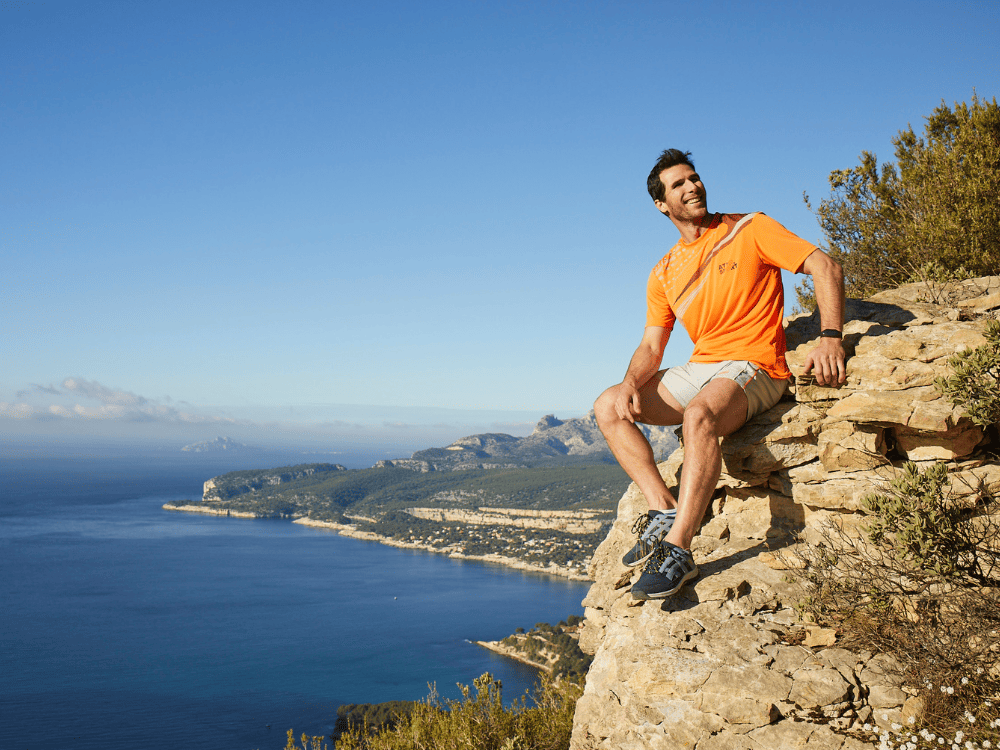
Lightweight technical fabrics are ideal because they draw perspiration away from your skin and dry quickly. If you're planning a full day's walk, they're generally much more comfortable than traditional cotton tees.
Loose tops in polyester fabrics are an excellent option. Lightweight and quick drying, they wick sweat away from your skin and reduce the risk of irritation and chaffing that can be caused by damp natural fibres.
Choose Light Colours
The colour of your hiking clothing matters much more than many people realise.
Light-coloured clothing reflects more sunlight than darker shades, helping you stay cooler on exposed paths. Whites, creams, pale blues and light greys are all sensible choices for summer walking.
To reduce overheating, avoid black. Black surfaces absorb a larger fraction of the sun's visible and infrared rays and can transfer heat from the fabric to your skin. This is the last thing your body needs when it’s already working hard to stay cool!
Cover Up Rather Than Strip Down
It may seem tempting to throw on shorts and a vest top on the hottest days, but covering your skin can actually help keep you comfortable and protected from the sun’s powerful rays.
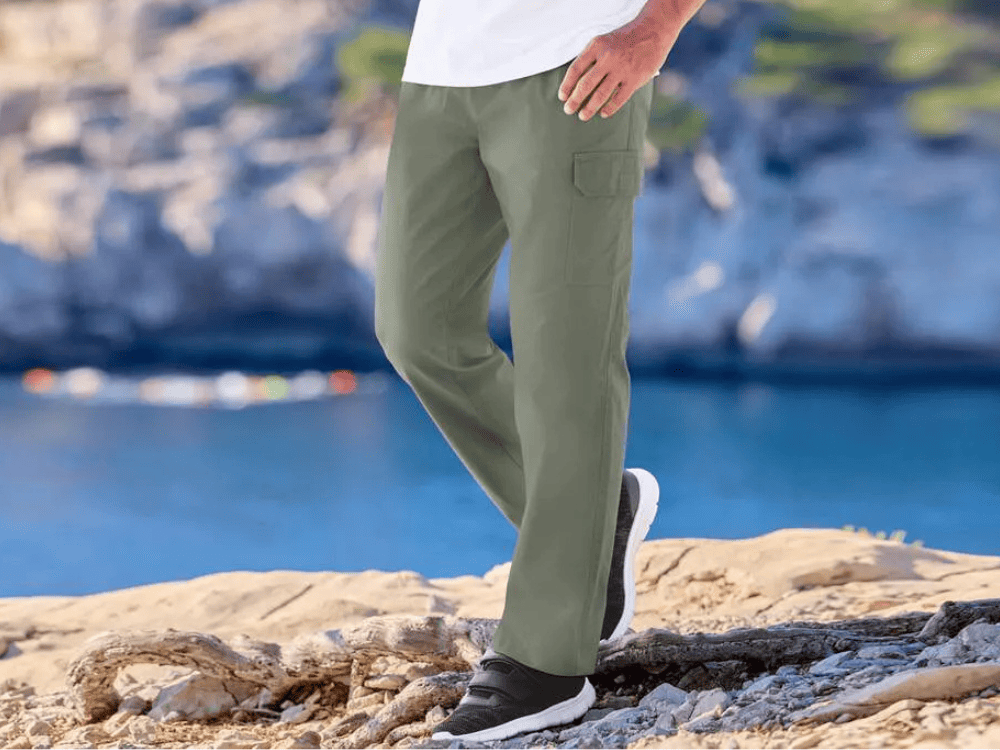
A lightweight long-sleeved walking shirt protects your arms from the sun while allowing air to circulate. Likewise, loose cargo trousers can be surprisingly cool while shielding your legs from both UV rays and scratchy vegetation along overgrown paths.
Protect Your Head & Eyes
A good hat is one of the simplest ways to stay comfortable in hot weather.
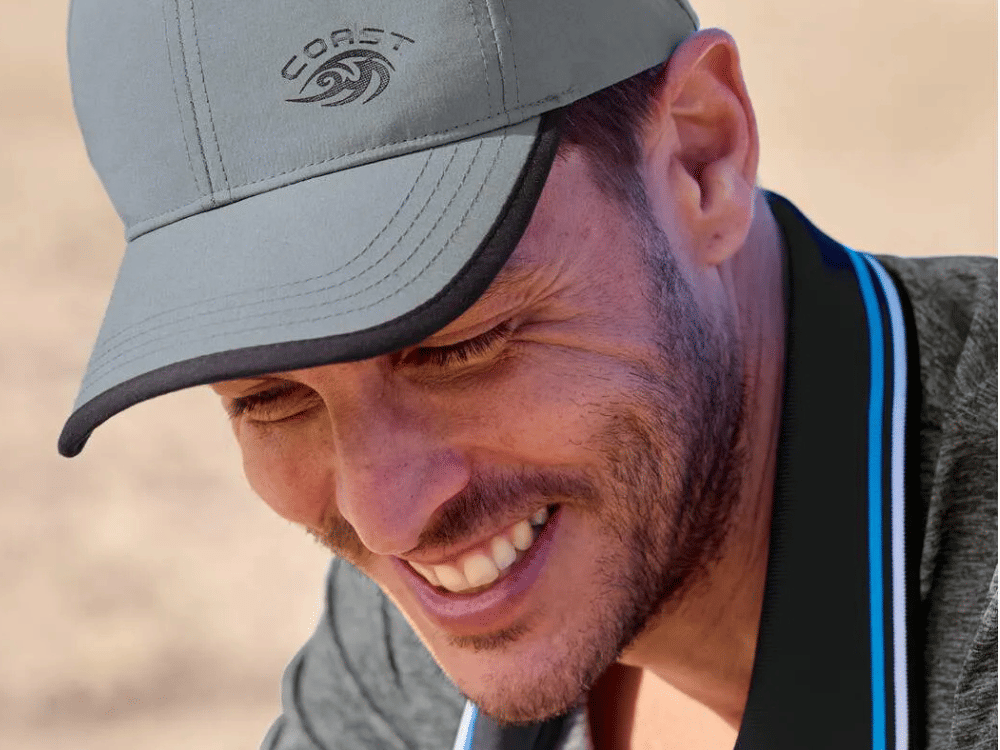
A wide-brimmed hat offers excellent protection for your face, ears and the back of your neck, areas that are particularly prone to sunburn. If you prefer a sporty cap, consider one with ventilation panels and apply sunscreen carefully to the ears and neck.
A comfortable pair of sunglasses offering full UVA and UVB protection will reduce glare and help prevent eye strain. Polarised lenses can be particularly useful if you're walking near lakes, rivers or the sea.
Don't Forget the Little Extras
Several small items can make a noticeable difference when temperatures climb.
A lightweight neck gaiter can be soaked in cool water before you set off, helping to keep your neck cool during the day. A small microfibre towel is useful for wiping away perspiration, while a lightweight ventilated rucksack will allow better airflow across your back.
It's also worth carrying a thin waterproof, even if the forecast looks promising. British weather has a habit of changing when you least expect it!
Clothing Is Only Part of Staying Safe in the Heat
What you wear is important, but it's only one part of walking safely in the heat.
Carry more water than you think you'll need and sip it regularly rather than waiting until you feel thirsty. On longer walks, particularly if you're sweating heavily, an electrolyte drink can help replace minerals lost through perspiration.
Try to begin your walk earlier in the day when temperatures are lower and avoid being outside during the hottest part of the afternoon. Plan regular stops in shaded areas and don't be afraid to shorten your route if the heat becomes uncomfortable.
Pay attention to how you're feeling. Dizziness, unusual fatigue, headache, nausea or confusion can all be signs of heat exhaustion. If any of these symptoms develop, stop walking, find shade, cool down and drink water before deciding whether it's safe to continue.

Enjoy Summer Walks with Confidence
With preparation and smart choices, you can still enjoy the best of the great outdoors this summer. Choose lightweight, breathable fabrics, favour lighter colours, protect your skin with sensible layers, and don't overlook essentials such as a good hat and sunglasses. Add plenty of water, a little forward planning and a sensible pace, and you'll be well prepared to enjoy your fair-weather hikes.