
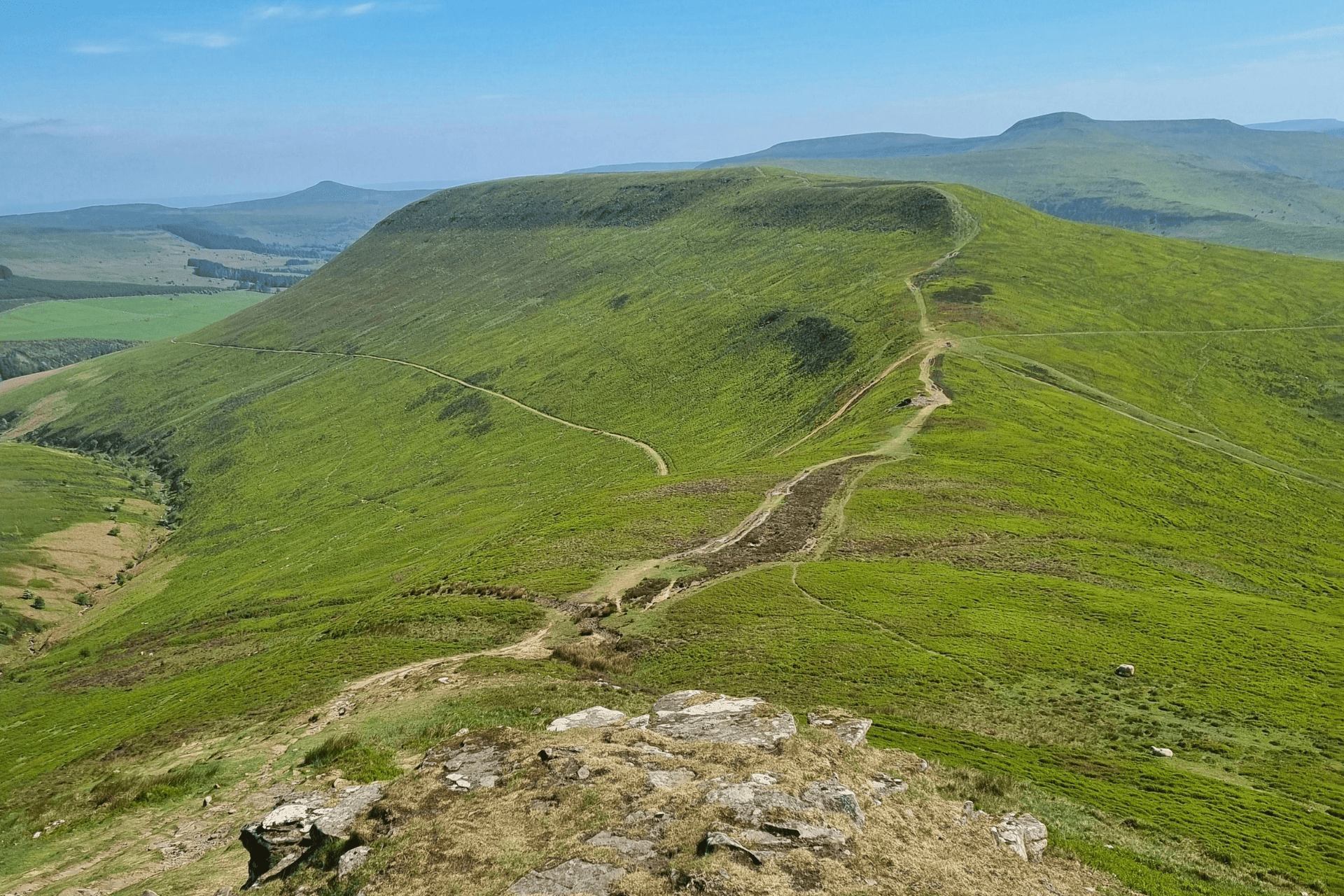
A Beginner's Guide to Hill Walking
Hill walking is one of those activities that looks deceptively simple. Lace up your boots, find a hill, start walking—job done, right? Not quite! Hill walking does take some preparation and know-how, especially if you’re new to it!
The good news? You don’t need to be super fit or own expensive gear to get into hill walking! This accessible activity is great for your health and an unbeatable way to explore the UK’s diverse landscapes. Our essential guide will walk you through the basics and help you take your first confident steps uphill.
What is hill walking? What are some hill walking benefits?
As the name suggests, hill walking is a form of walking in hilly or areas, usually on established paths. It sits somewhere between gentle countryside walks and more demanding mountain hikes.
It’s an accessible way to explore higher ground without needing technical skills, making it a great activity for beginners and experienced walkers alike. Hill walking offers a wide range of benefits, including improved fitness, stronger muscles, and better balance from walking on varied terrain. As well as being great for mental health, it can also have social benefits too. Keep reading to find out how!
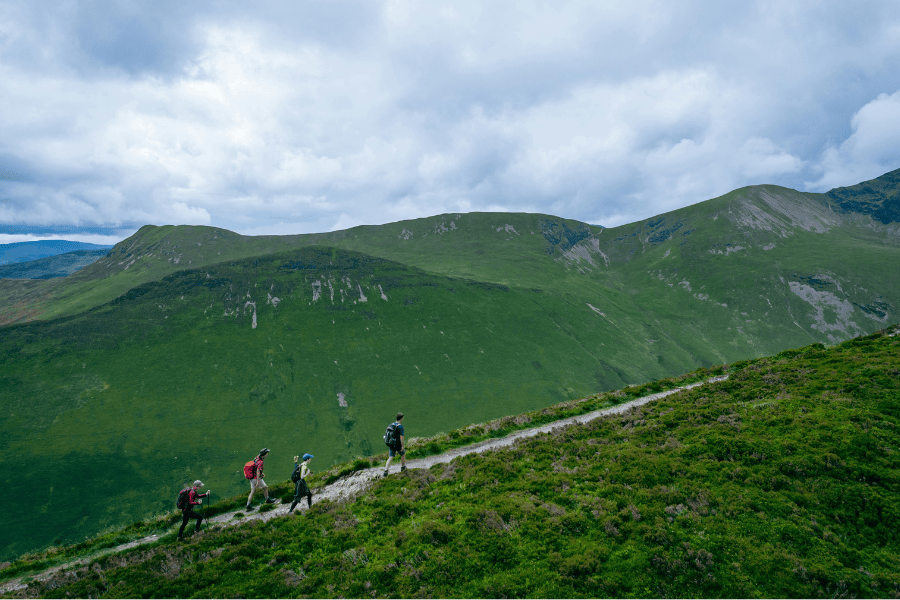
How should I prepare for a hill walk? Start off short!
If you’re new to hill walking, the biggest mistake is trying to do too much too soon. While it’s tempting to aim for dramatic peaks and long routes, your body will thank you for easing into hill walking gently.
Start with shorter walks that include gentle inclines rather than steep ascents. Local countryside trails and low hills are perfect training grounds. These walks help you build leg strength, improve balance, and get used to uneven terrain without overwhelming yourself. Even a two- or three-hour walk with some elevation gain can be a great starting point.
Hill walking uses leg muscles you might not normally engage, particularly in your calves and thighs. You might feel a little sore at first, but it will ease with experience!
Get kitted out with the right hill walking equipment
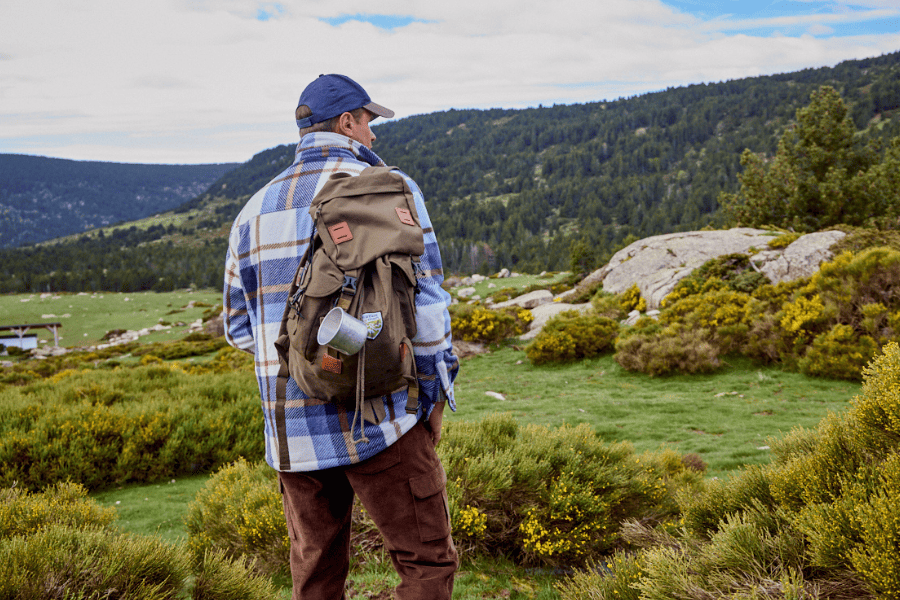
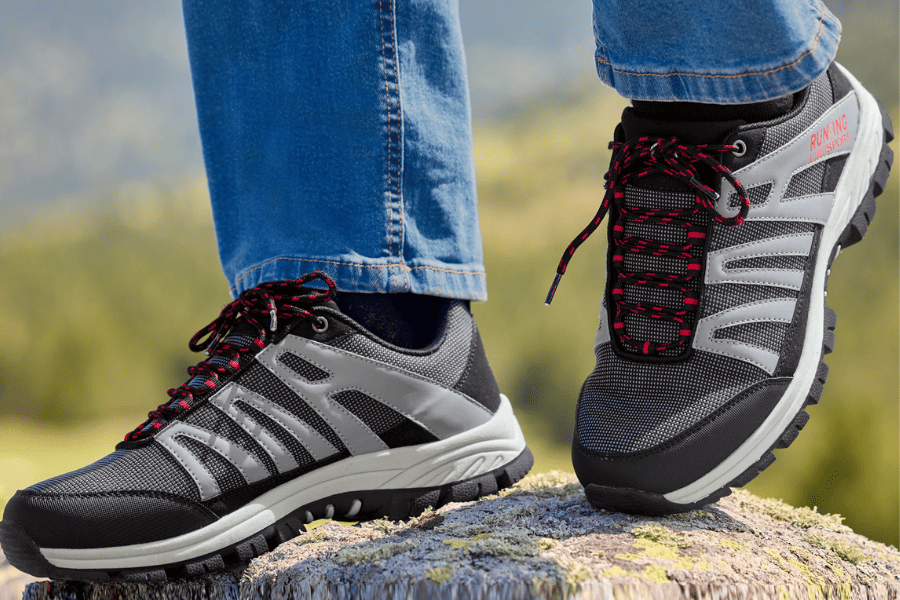
You don’t need top-of-the-range equipment to enjoy hill walking, but having some essential pieces of kit can make a huge difference to your comfort and safety. A good pair of walking shoes is the most important investment. Look for footwear with decent grip and waterproofing. Make sure new shoes are properly broken in before attempting a longer walk—new boots and long hills are not a happy combination!
Clothing should follow the golden rule of layering. A base layer in a breathable fabric, an insulating mid-layer such as a zip-up fleece, and a waterproof outer layer should keep you warm and dry. Don’t skip the waterproof jacket, even when the sun is shining; the weather can quickly change in hilly areas.

Find a friend—join a beginner’s hiking group near you!
As much as you can certainly venture off hill walking alone, it’s often more enjoyable—not to mention safer—when shared with others. Walking with a friend gives you company, motivation, and someone to share the highs, and the occasional ‘why did we choose this route?’ lows!
If none of your friends are into hill walking, don’t worry. Many social walking groups across the UK welcome beginners and offer organised hill walks for different ability levels. These groups are a fantastic way to learn routes, build confidence, and meet new like-minded people.
Keep an eye on ever-changing weather
Weather awareness is one of the most important skills in hill walking. Conditions can change rapidly, especially as you gain elevation, and what looks like a clear day in the valley can quickly turn windy, wet, or foggy higher up.
Before setting out, always check a detailed weather forecast for the specific area you’re walking in—not just the nearest town. Pay attention to wind speed, temperature, visibility, and the chance of rain. Strong winds and poor visibility can make even modest hills feel challenging.
Be prepared to change your plans if the weather isn’t on your side. There’s no shame in choosing a lower route, shortening your walk, or even turning back before the summit if you have doubts about the weather. Remember: the hills will still be there another day!
Where to go? Here are the beginner hiking trails in the UK!
The UK is packed with incredible hill-walking destinations, many of which are perfect for beginners. Here are a few great places to start.
The Peak District is often considered one of the best introductions to hill walking. Its rolling hills, well-marked paths, and relatively gentle ascents make it ideal for building confidence. Routes like Mam Tor or Kinder Scout offer stunning views without too much technical difficulty.
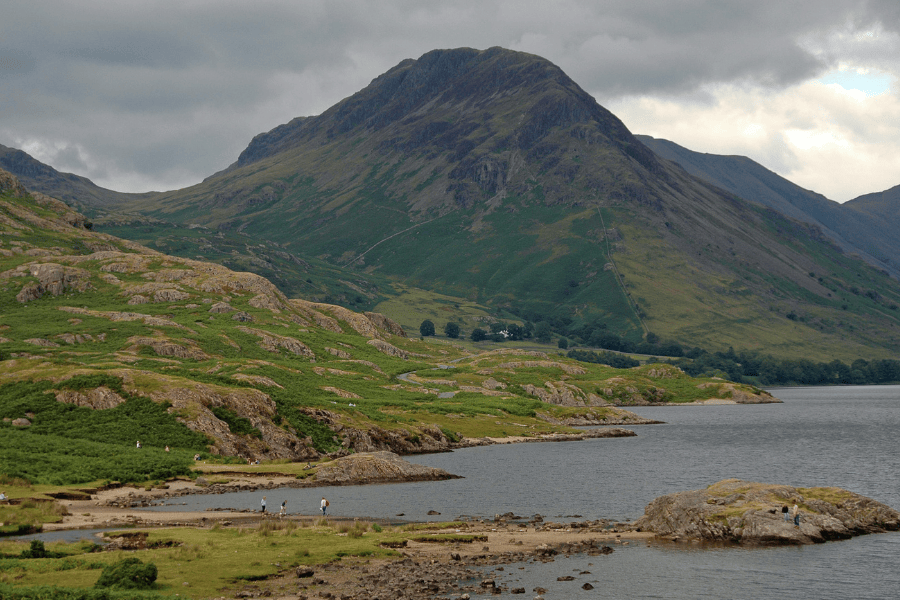
The Lake District is famous for its natural beauty and variety of routes. While some peaks are challenging, there are plenty of lower fells and circular walks suitable for beginners. Areas like Grasmere and Borrowdale provide beautiful walks with manageable climbs.
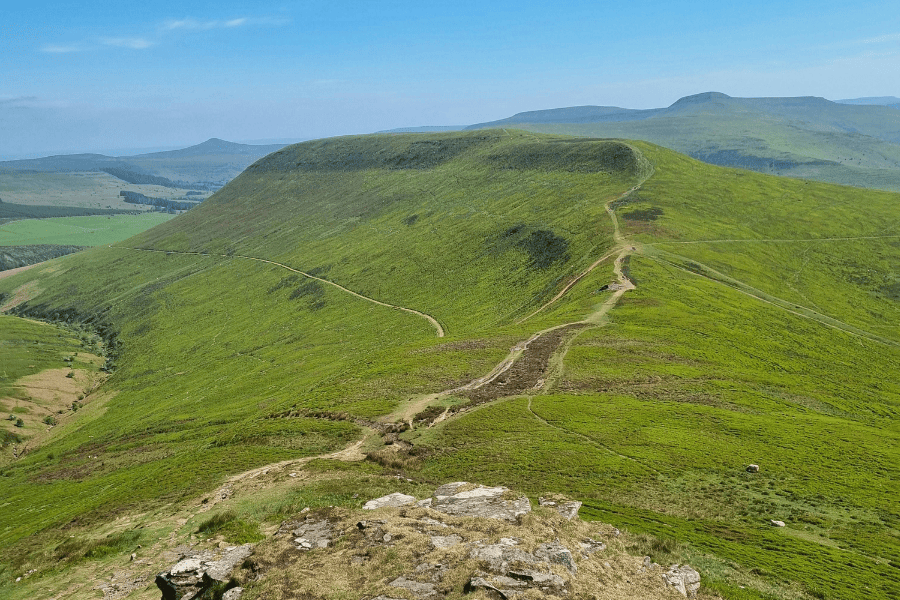
In Wales, Bannau Brycheiniog (Brecon Beacons) offers wide open landscapes and accessible hills. The paths are generally clear, and the sense of space makes it a rewarding place to walk. Pen y Fan is popular, but there are quieter alternatives that are just as enjoyable.
For those feeling more adventurous, parts of the Scottish Highlands offer beginner-friendly hill walks alongside more demanding routes. Starting with lower hills and clear paths can give you a taste of Scotland’s wild beauty without tackling its most dramatic summits.
The Peak District is often considered one of the best introductions to hill walking. Its rolling hills, well-marked paths, and relatively gentle ascents make it ideal for building confidence. Routes like Mam Tor or Kinder Scout offer stunning views without too much technical difficulty.
The Lake District is famous for its natural beauty and variety of routes. While some peaks are challenging, there are plenty of lower fells and circular walks suitable for beginners. Areas like Grasmere and Borrowdale provide beautiful walks with manageable climbs.
In Wales, Bannau Brycheiniog (Brecon Beacons) offers wide open landscapes and accessible hills. The paths are generally clear, and the sense of space makes it a rewarding place to walk. Pen y Fan is popular, but there are quieter alternatives that are just as enjoyable.
For those feeling more adventurous, parts of the Scottish Highlands offer beginner-friendly hill walks alongside more demanding routes. Starting with lower hills and clear paths can give you a taste of Scotland’s wild beauty without tackling its most dramatic summits.
You're ready to hit the hills!
Hill walking is about more than reaching the top—it’s about the journey, the views, and the quiet moments along the way. Starting small, preparing well, and joining a walking group can turn what feels intimidating into something genuinely joyful.
Whether you’re drawn to hill walking for fitness, mental wellbeing, or simply a love of our beautiful British countryside, the UK’s hills offer endless opportunities to explore at your own pace. Ready to tackle bigger peaks? You'll love our guide to the best UK mountains to climb.
Whether you’re drawn to hill walking for fitness, mental wellbeing, or simply a love of our beautiful British countryside, the UK’s hills offer endless opportunities to explore at your own pace. Ready to tackle bigger peaks? You'll love our guide to the best UK mountains to climb.